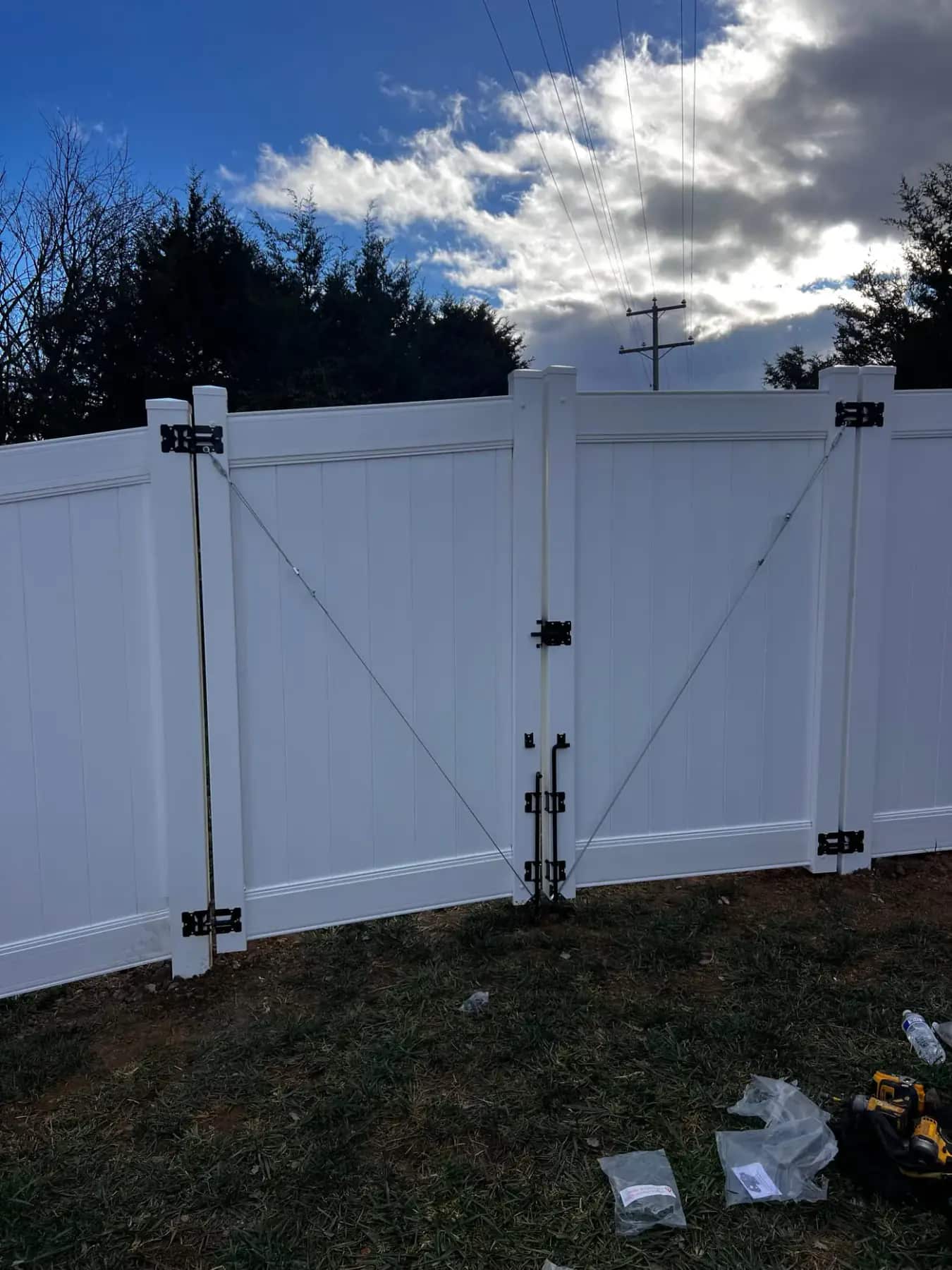
Gate and latch planning
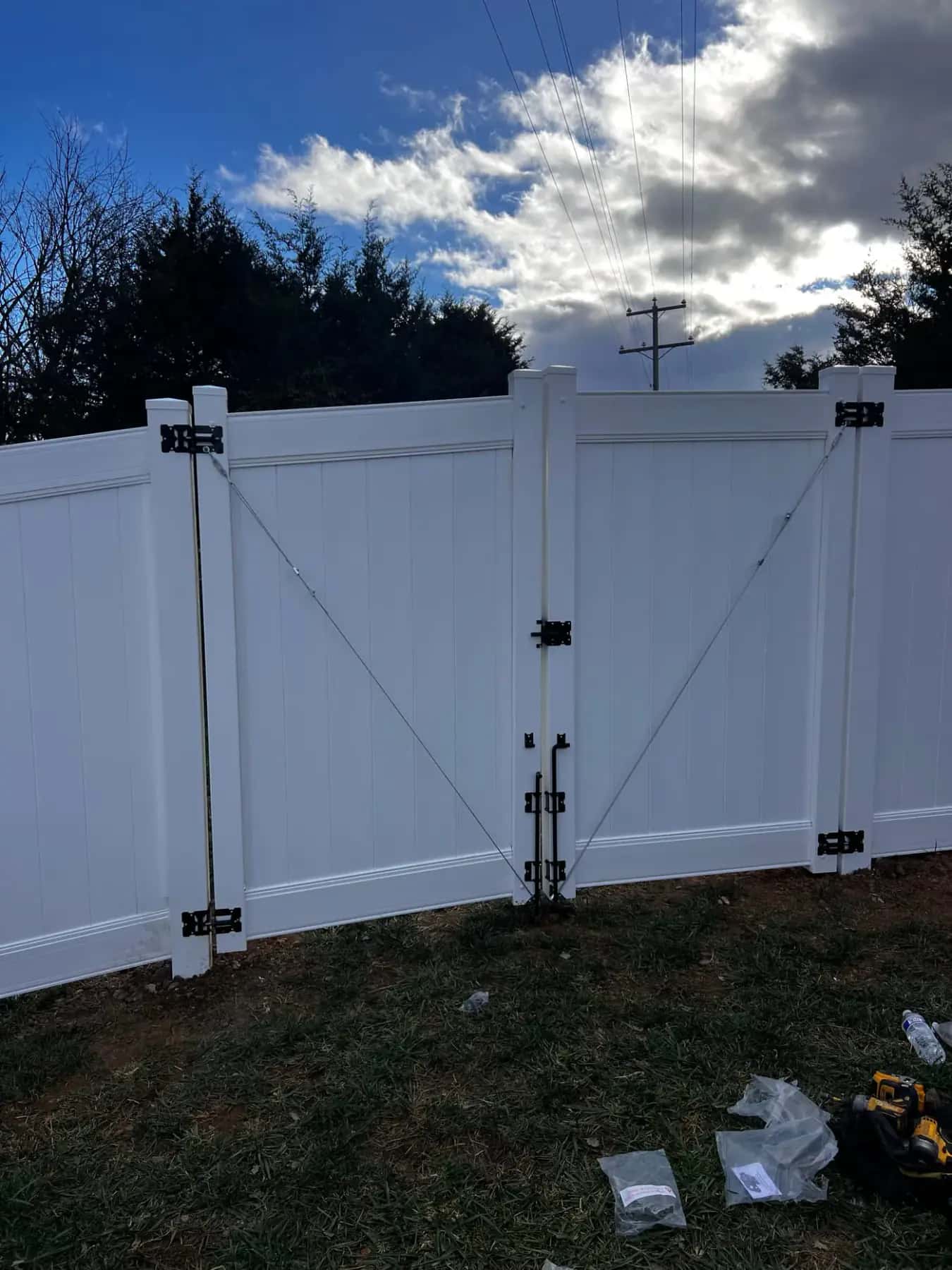
Gate placement, swing, latch side, and daily access need to be reviewed before posts are set.

Pool Fences in Culpeper, VA
A pool fence has to do more than mark a boundary. It should control access, support local requirement conversations, keep gates practical, and fit the way the pool area connects to decks, patios, walkways, equipment areas, and the rest of the yard.
Financing options are available for qualified customers on eligible Battlefield Services projects.
*Financing is subject to eligibility, approval, available terms, and conditions through the financing provider. 0% APR may not be available to every applicant, purchase amount, or repayment term.
What to Know
Pool fence layout depends on more than the pool itself. Gate locations, latch planning, walk paths, patio connections, visibility, equipment access, and existing fences can all affect whether the finished project works well. A code-aware plan should be reviewed before installation so the homeowner can confirm local requirements while still getting a layout that makes sense for daily use.
Gate placement, swing, latch side, and daily access need to be reviewed before posts are set.
Pool fencing often needs to relate to outdoor living spaces instead of cutting them off in the wrong place.
Some properties can use or connect to existing fence runs, but the full layout still needs to be reviewed for access and requirements.
Project Fit & Execution
The right pool fence plan considers the pool, the house, the patio or deck, entry points, equipment access, existing fence runs, and any local requirements. The goal is controlled access without an awkward backyard layout. Before posts are set, the project should account for gate swing, latch location, fence height expectations, visibility, grade changes, and whether existing fencing can reasonably be part of the enclosure.
How We Work
Walk the yard, pool location, patios, decks, side-yard paths, and existing fence conditions.
Discuss gate placement, latch needs, height expectations, and local requirement questions before layout decisions are finalized.
Set the fence, gates, posts, and transitions so the pool area is controlled and the yard remains usable.
Budget and Scope
A privacy fence or pool fence is only as good as its layout and post installation. The estimate should consider property lines, utilities, gates, slopes, corners, stone, compacted soil, drainage, and how the fence connects to decks, patios, sheds, pools, and driveways.
ZIP required for range
Straightforward installations can fall near the lower end. Height, gates, layout, removals, corners, grade, access, and difficult digging can increase the final scope.
ZIP required for range
Panel style, posts, gates, demolition, transitions, corners, grade, access, and material selections affect the final installed price.
Rock, buried debris, tight access, grade changes, and extra gates can increase labor or equipment requirements.
When unexpected site conditions come up, we explain the impact before moving forward. Battlefield Services also has the equipment and broader construction experience to handle difficult sites with better planning and communication. Because we also handle decks, concrete, patios, pools, grading, and sitework, fencing can be planned around the rest of the property instead of treated as an isolated project.
Project Visuals
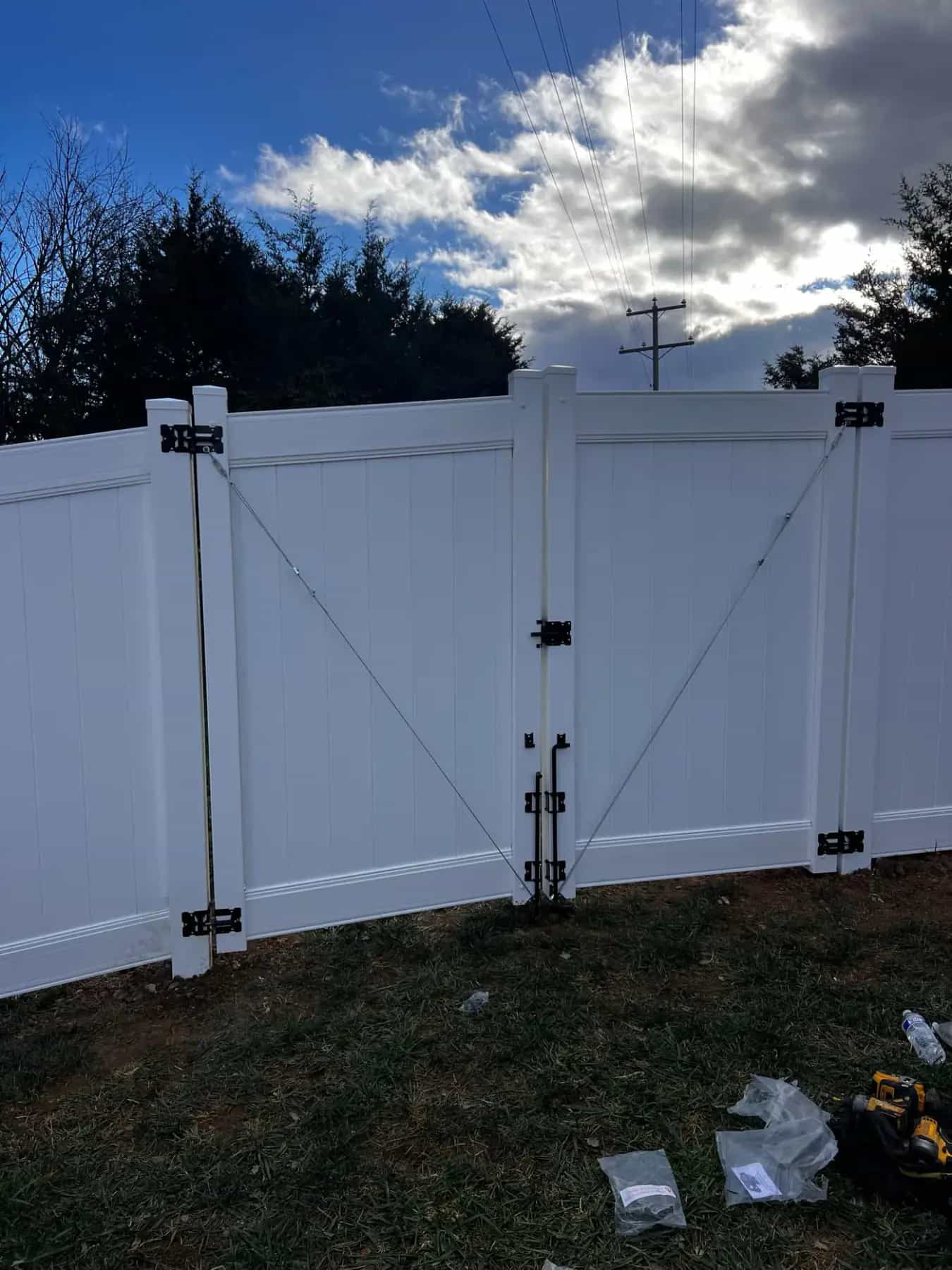
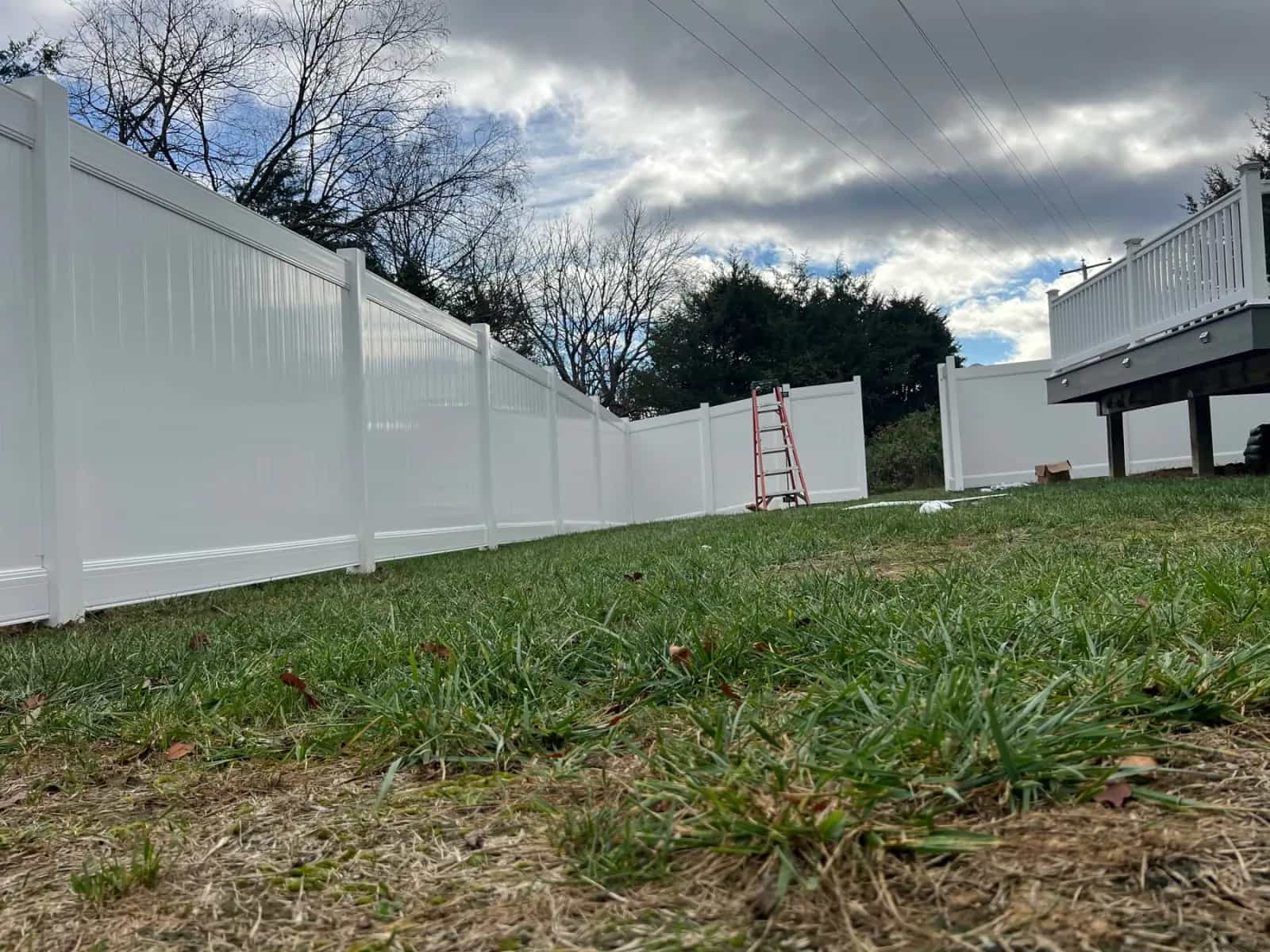
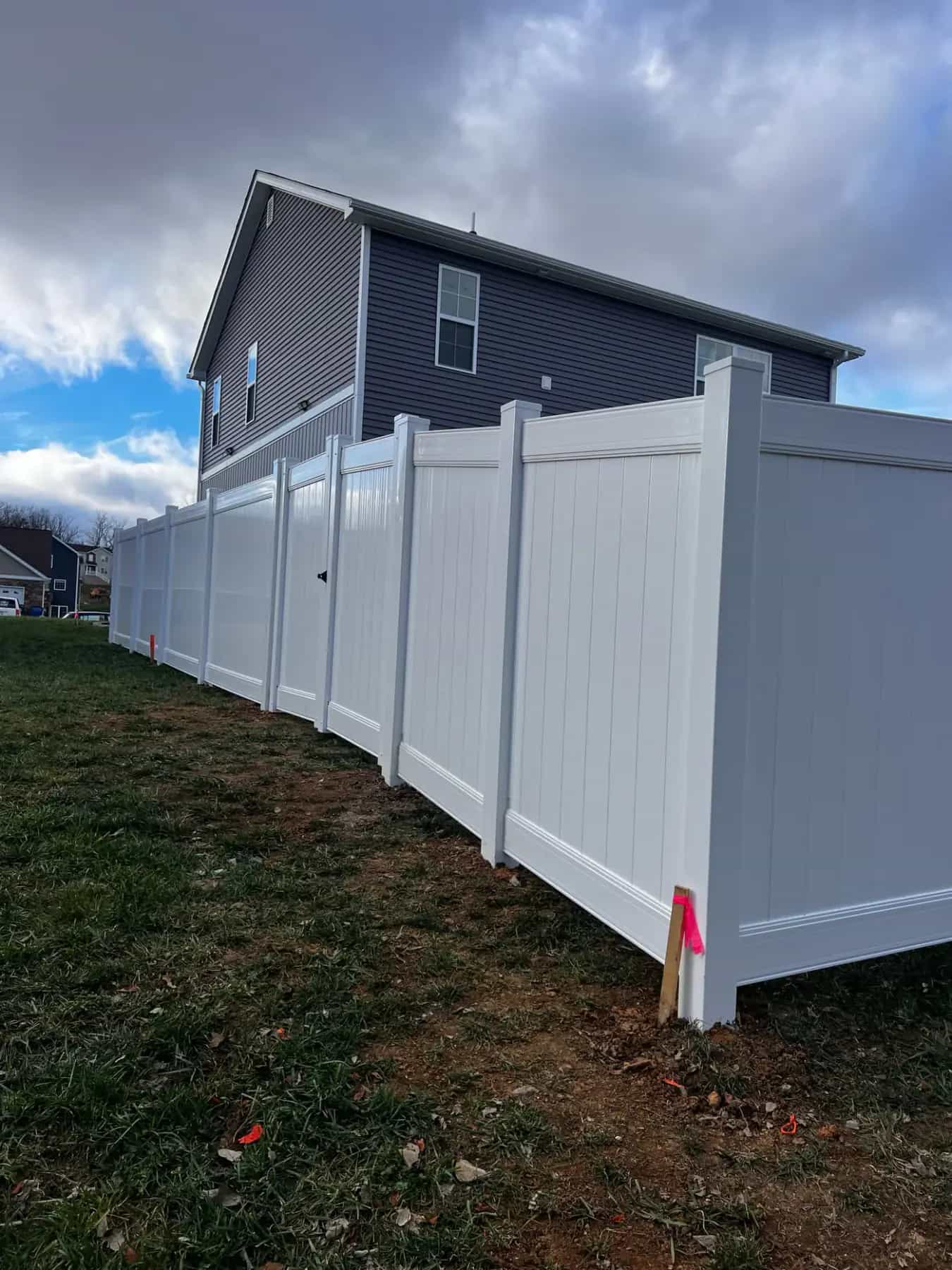
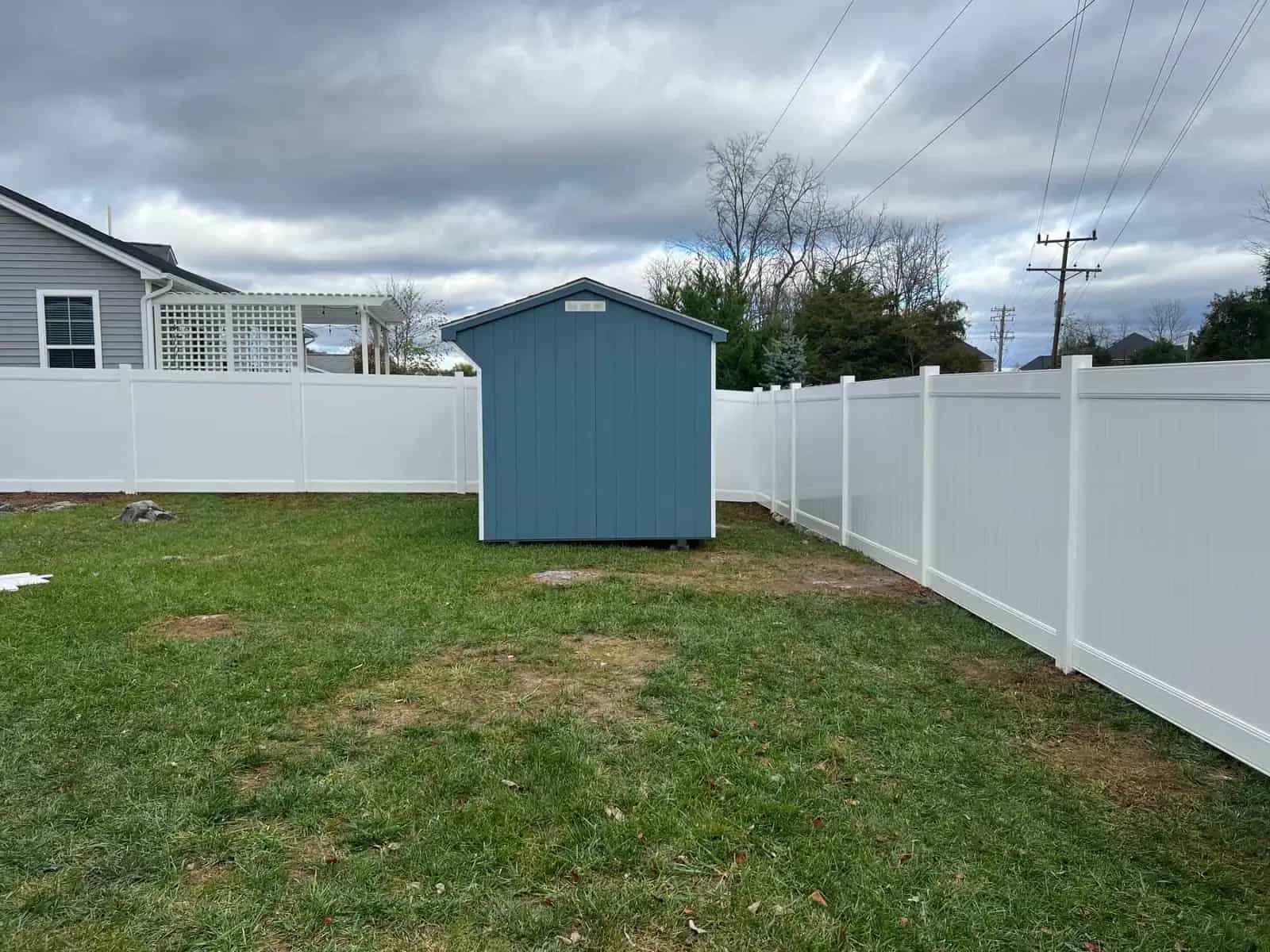
Pool fence planning is about controlled access and a usable backyard. These photos show gate details, side-yard runs, privacy sections, and layout decisions that matter when the fence needs to relate to patios, decks, equipment areas, and walking paths.
Review Highlights
Read recent customer feedback and open the original review source when available.
“Not only was the pricing fair but the quality of their work was so impressive.”
“We got so many quotes for our 16x21 elevated deck and battlefield came in with a fair and reasonable offer compared to others. Not only was the pricing fair but the quality of their work was so impressive. They focused on my job and produced an awesome end result in a timely manner. Working with Daniel was so easy and he provided clear communication throughout the whole process. If you are looking to put a deck on your house then I would consider battlefield. We ended up doing our deck with trex rather than wood and we couldn't be happier. We plan to use them again for future projects. Thank you Daniel and the rest of the battlefield team. You have took our backyard to the next level!”
“Battlefield Services did an awesome job on the deck and were very communicative.”
“Amazing job installing a large concrete patio. They went above and beyond our expectations.”
“Exceptional quality and professionalism with reliable, efficient work.”
FAQs
Access control, gate and latch planning, fence height, local requirements, visibility, and how the pool area connects to patios, decks, walkways, and equipment access all matter.
Often it can, but the existing fence, gates, openings, height, condition, and local requirements should be reviewed before relying on it as part of the pool boundary.
Yes. Local code, permit, HOA, and pool barrier requirements should be checked before finalizing the layout, height, gate, and latch plan. Battlefield Services can help plan the fence layout, but the final requirements should be confirmed for the specific property before installation.
Yes. You can request an estimate through the contact form or call directly to start the conversation and schedule a site visit.
Ready to Talk?
Share the city, pool location, existing fence conditions, gate needs, and whether the fence must connect to patios, decks, or side-yard paths.
Share the city, service, and project details so we can follow up with context.