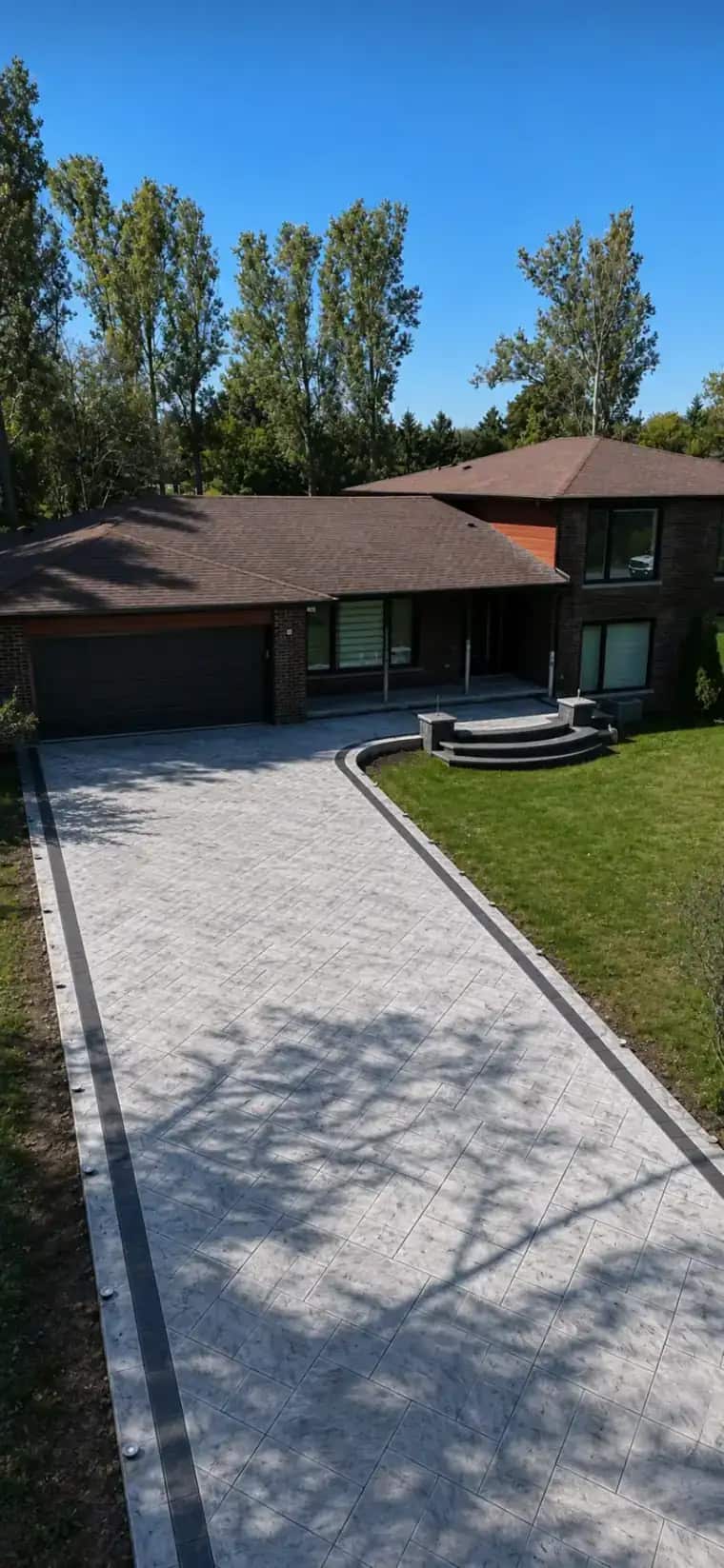
Culpeper, Virginia
Stamped driveway: from grading to finished approach
Follow the graded base, concrete placement, installation, and finished stamped surface on this Culpeper driveway.
View photos and project details
Concrete Driveways in Culpeper, VA
Plan a driveway around vehicle access, runoff, and the connection to your garage and street. Battlefield Services evaluates site preparation, concrete thickness, reinforcement, and finish options before defining the scope.
Documented projects
Explore actual Battlefield jobs, with progress photos and the decisions behind the finished surface.
Culpeper, Virginia
Follow the graded base, concrete placement, installation, and finished stamped surface on this Culpeper driveway.
View photos and project detailsCompare the project photos with customer feedback on Battlefield's public profiles. Ask about a reference relevant to the type of concrete work you are considering.
Financing options are available for qualified customers on eligible Battlefield Services projects.
*Financing is subject to eligibility, approval, available terms, and conditions through the financing provider. 0% APR may not be available to every applicant, purchase amount, or repayment term.
What to Know
Driveways and driveway-style flatwork carry heavier expectations than a small walkway. The concrete has to handle vehicles, turning areas, drainage, freeze-thaw conditions, edges, apron transitions, and the way the driveway connects to the home, garage, parking area, or road.
High-use flatwork should tie cleanly into existing surfaces and handle the traffic it will receive.
Water movement, slope, and edge conditions are part of the driveway conversation from the start.
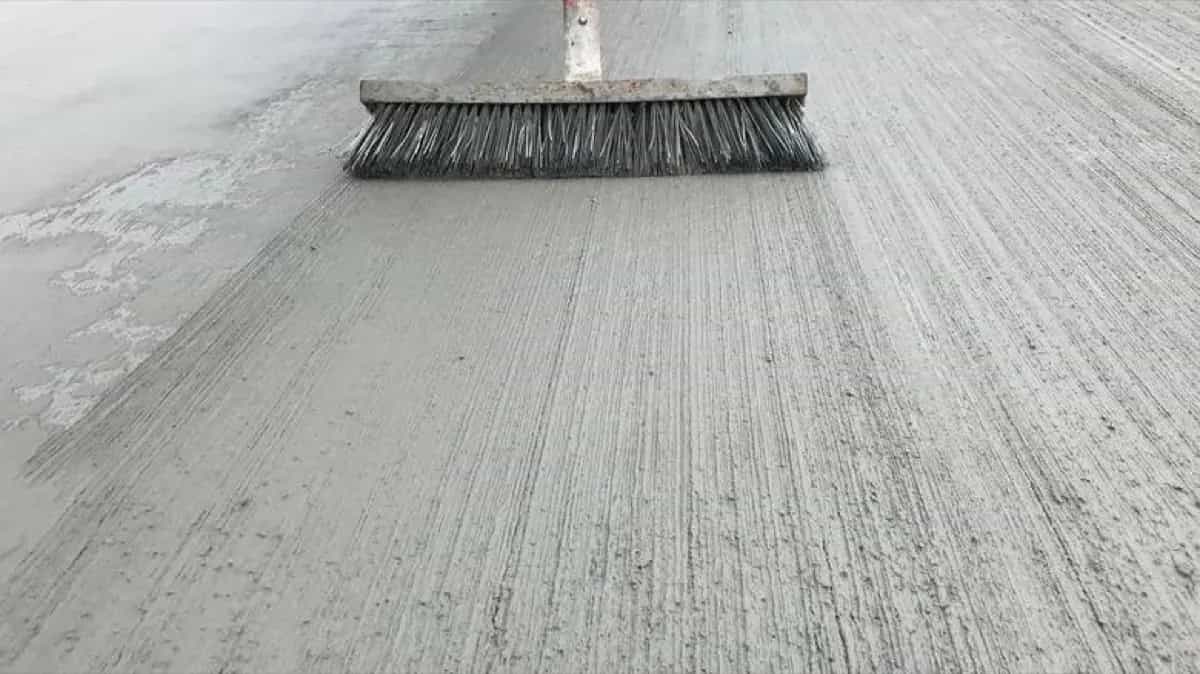
Broom finish, control joints, thickness, and reinforcement help driveway concrete perform better over time.
Project Fit & Execution
A driveway can fail or frustrate homeowners when the early decisions are treated casually. Battlefield Services reviews driveway use, access, grade, drainage, vehicle paths, surrounding edges, and finish expectations before shaping the scope. The important questions are practical: how many vehicles use the surface, where do they turn, where does water go, does the driveway meet a garage or road apron, is there old material to remove, and does the site need grading before forms are set? Those answers affect base prep, concrete thickness, reinforcement, joint layout, edge detail, and whether the project is a simple driveway section or a broader flatwork improvement.
How We Work
Look at parking, turning, access, grade, garage or road transitions, apron conditions, and where water needs to move.
Discuss base conditions, forms, thickness, reinforcement, demolition, edge conditions, and control-joint direction before concrete placement.
Use a broom finish and joint plan suited for traction, drainage, high-use concrete, and the way the driveway looks from the home and street.
Budget and Scope
Concrete can be a patio, driveway, apron, sidewalk, slab, footing, foundation, egress entrance, or decorative surface. A useful estimate needs to account for what the concrete supports, how water moves, what the subgrade looks like, whether grading or excavation is needed, and what finish the customer expects.
ZIP required for range
For projects around 500 square feet and larger, broom-finished concrete is usually estimated around access, base prep, forming, and whether site conditions are straightforward.
ZIP required for range
Stamped concrete can increase with integral color, release, pattern choice, borders, sealers, steps, and detailed cuts.
Foundations, monolithic slabs, commercial sidewalks, egress entrances, and reinforced slabs need scope-specific pricing because excavation, rebar, forms, inspections, and access often drive the job.
These numbers are planning ranges only. Final pricing depends on thickness, PSI, reinforcement, excavation, drainage, access, forming, finish timing, and any change in site conditions.
Project Visuals
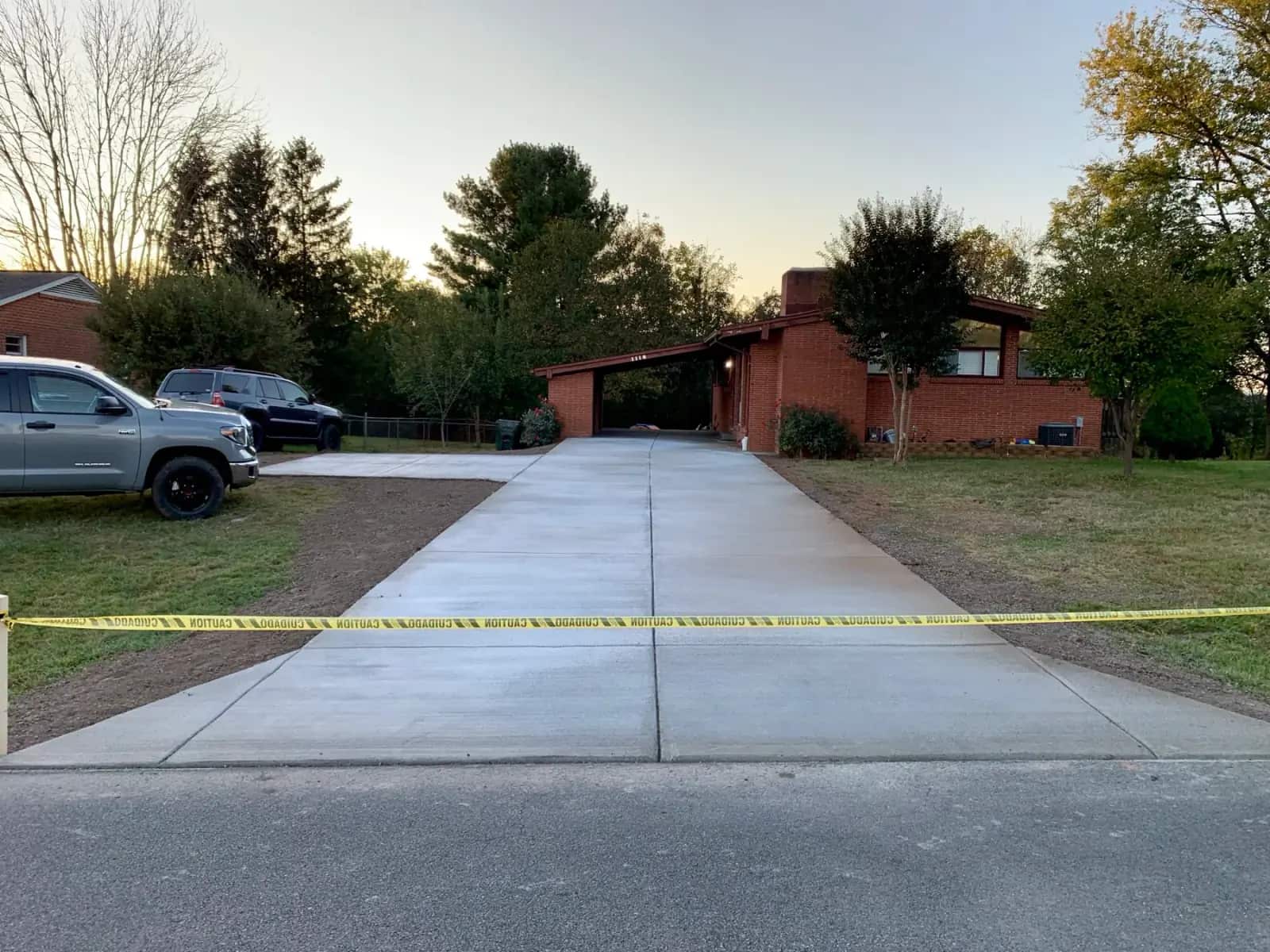
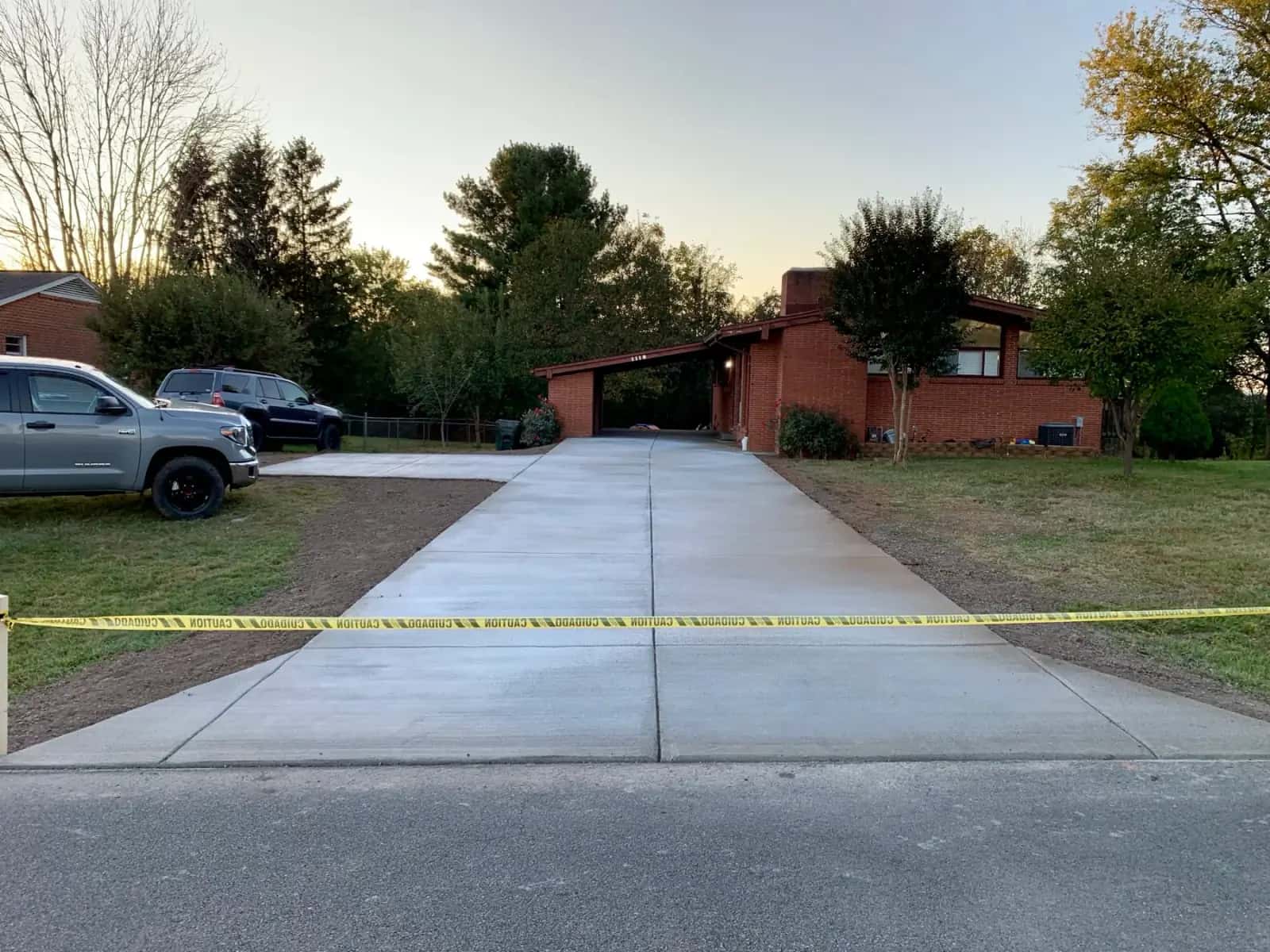
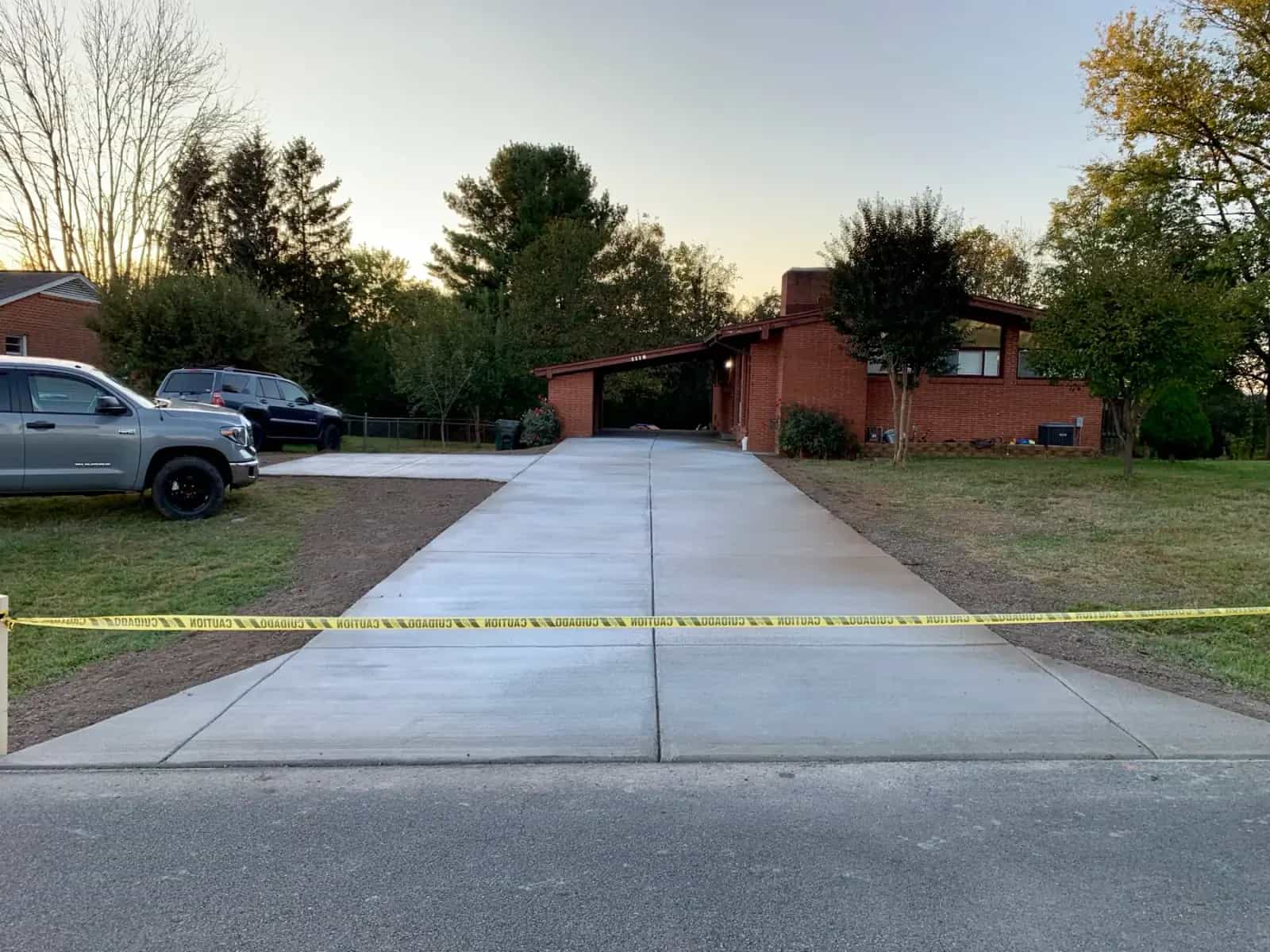
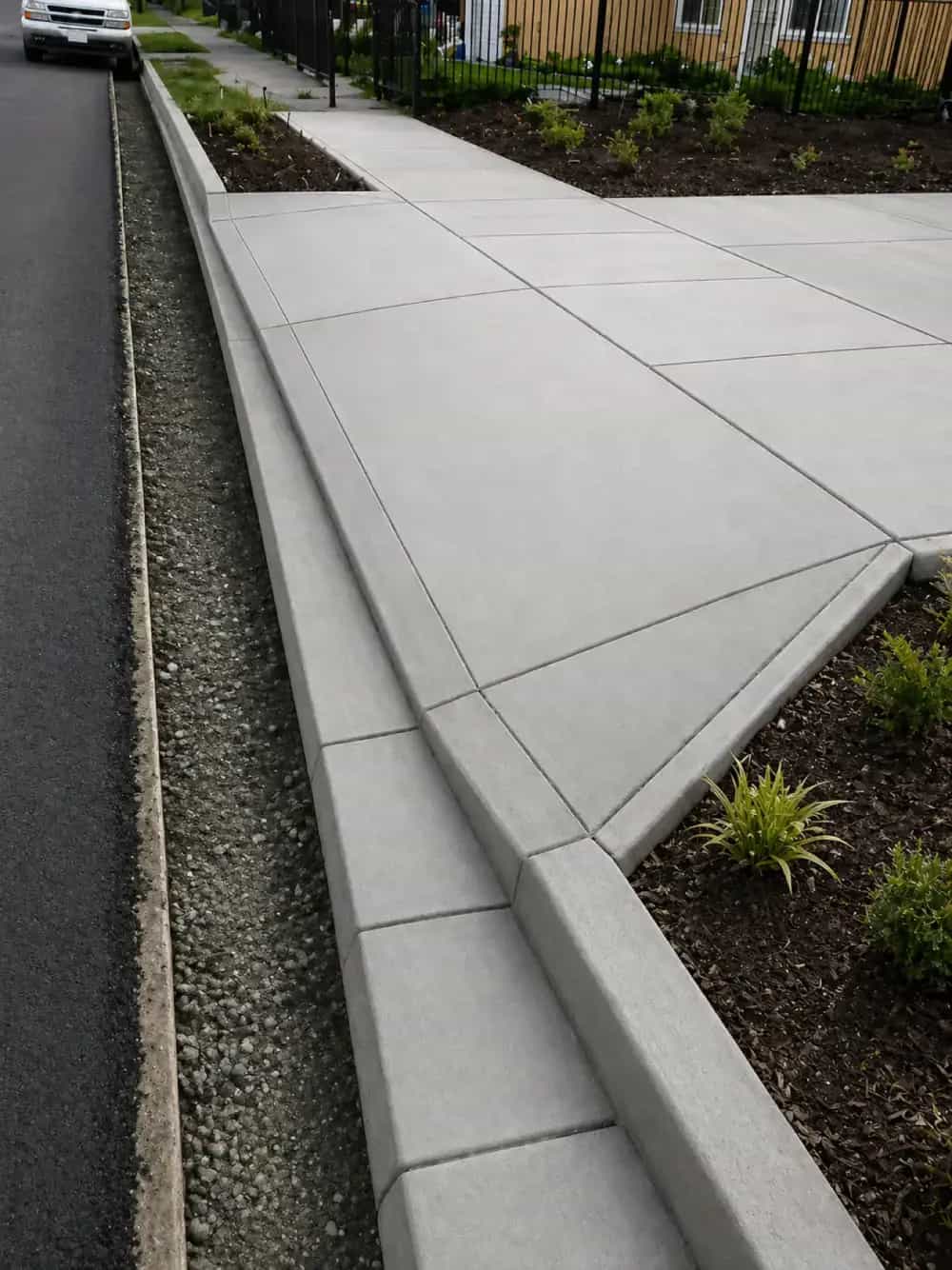
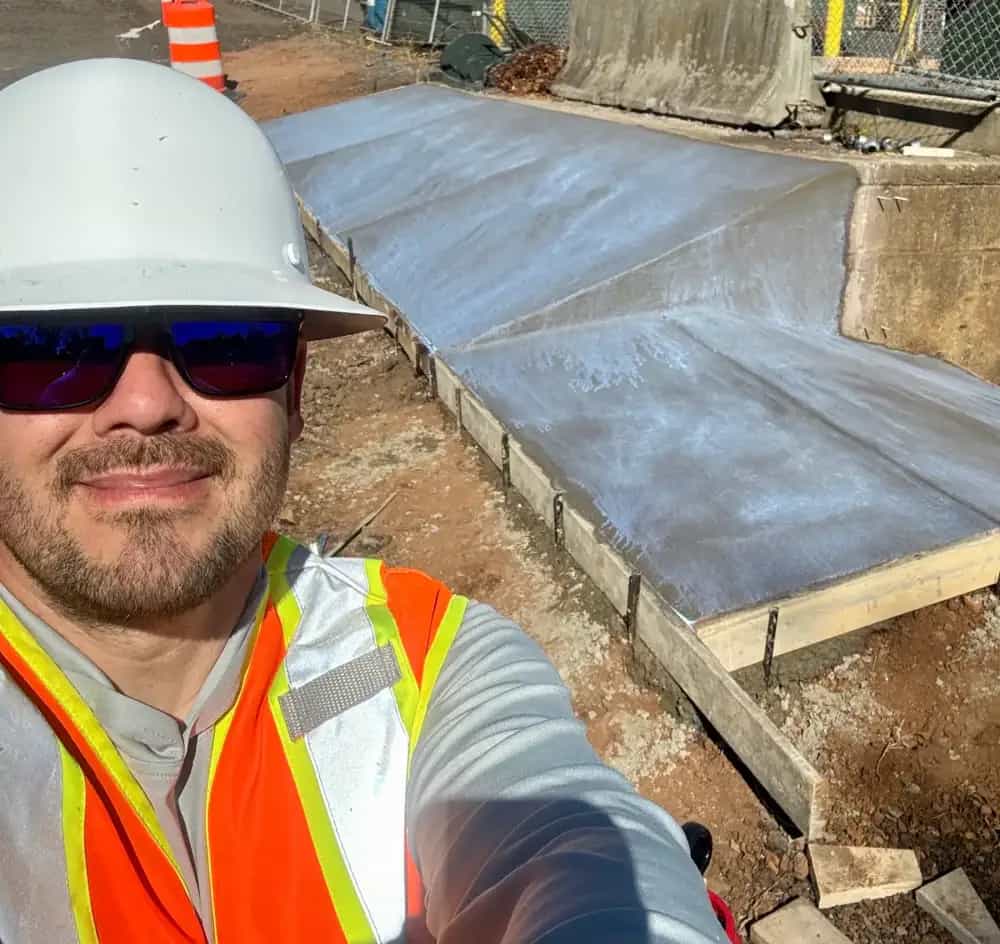
These driveway and high-use concrete photos show broom finish texture, apron transitions, sidewalk connections, and finished pads. They help homeowners see why driveway flatwork should be planned around vehicles, drainage, turning areas, edges, and how the slab connects to the rest of the property.
FAQs
Usually, yes. Driveway concrete often needs a practical broom finish for traction, plus thickness, reinforcement, and joint planning that fit vehicle use.
Yes. Driveway aprons, extensions, and high-use flatwork can be a fit when the scope, access, and schedule line up.
Share the city, approximate size, whether it is a new driveway, extension, or apron, what vehicles use it, and any drainage or grade concerns you already know about.
Driveway concrete usually needs more attention to vehicle loads, thickness, reinforcement, base conditions, drainage, apron transitions, control joints, and traction.
Ready to Talk?
Tell us the city, driveway type, approximate size, vehicle use, whether existing material needs removal, and any garage, road, apron, drainage, parking, turnaround, or grade details that matter.
Share the city, service, and project details so we can follow up with context.